Serving Boston's North Shore, the NH Seacoast & Southern Maine Mon–Fri 8:00 AM – 5:30 PM877-410-1793info@blueribbonwater.com
Well water testing

Granite bedrock. Glacial soil. Predictable well problems.

Private wells north of Boston, across Essex County, the Merrimack Valley and southern New Hampshire, draw from the same bedrock and soil, so the same set of problems keeps showing up.

  • Certified lab test, not kitchen test strips
  • 53 parameters from one sample
  • Covers 10 of the 12 most common well problems

Have a water expert contact you

Tell us a little about your water. We'll reach out the way you prefer.

Your water source *
Preferred contact method *

No sales pitch. Just answers about your water.

Find your problem

What's going on with your well?

Pick what you're noticing, or what you're worried about, to jump to the details.

Where to start

Start with a certified lab test

Most wells have more than one problem, and the order you treat them in matters. Acidic water, for example, needs correcting before iron removal will work. That's why we recommend a certified lab test over kitchen test strips.

53parameters from one sample in our Standard Well & Drinking Water Test with Bacteria
BacteriaNitratesArsenicLeadCopperIronManganeseHardnesspHSodiumChlorideTurbidity

Hydrogen sulfide isn't in the lab panel. We check it at the tap by comparing hot and cold water.

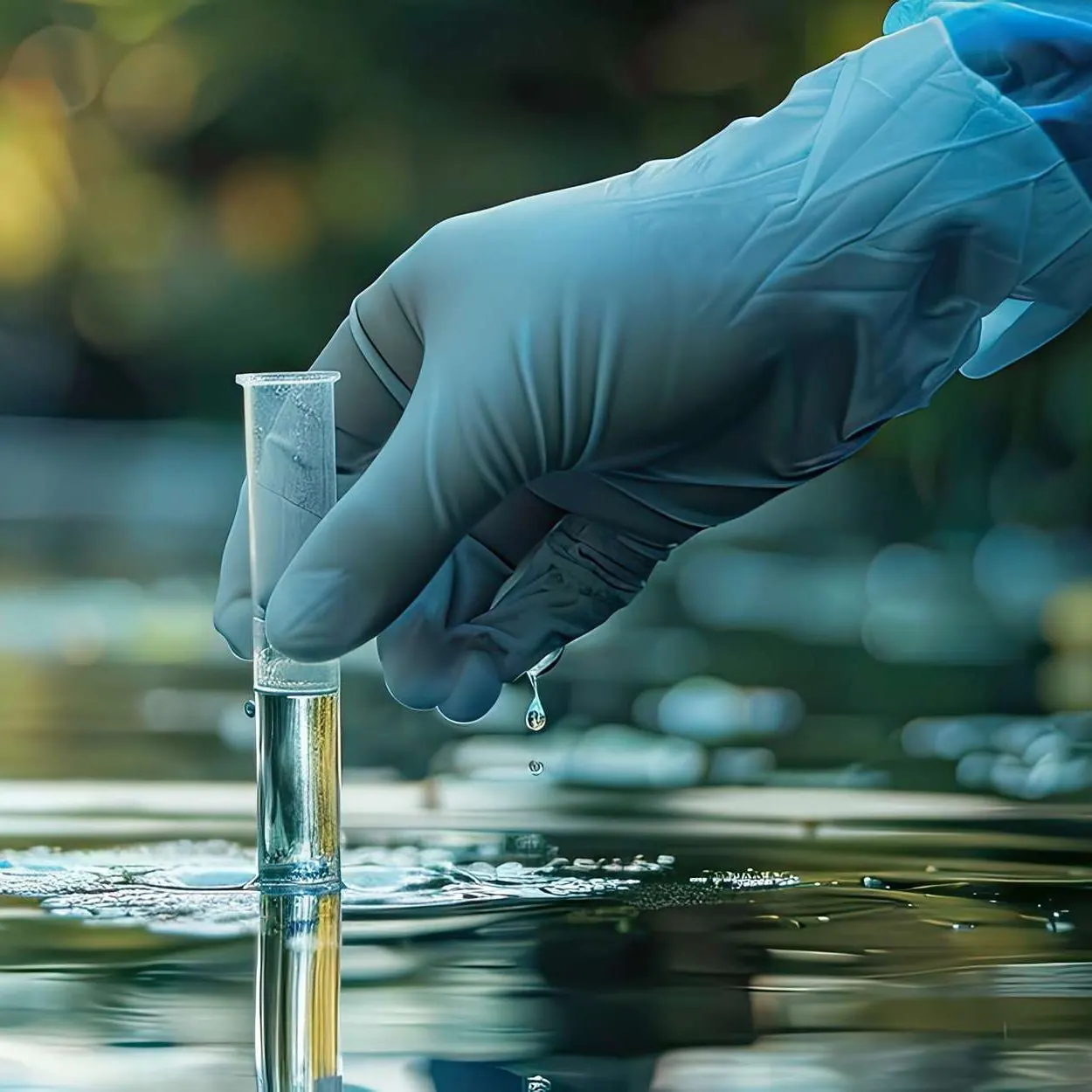
Gloved hand collecting a water sample

Problems you can see, taste or smell

Federal aesthetic guideline: 0.3 mg/L

Iron

The most common well complaint in our area.

  • Orange stains and rust-colored laundry
  • Metallic taste
  • Reddish slime from iron bacteria
Massachusetts health guideline: 0.3 mg/L

Manganese

Staining starts around 0.05 mg/L, well below the health guideline.

  • Linked to nervous system effects at high levels
  • Infants are the most sensitive
Health limit at household levels: None (nuisance)

Hydrogen Sulfide (Rotten Egg Smell)

It's corrosive and shortens appliance life, even though it isn't a health concern at household levels.

  • Odor on hot water only usually points to the water heater
  • Not in the lab panel: we check it at the tap by comparing hot and cold water
Recommended range: pH 6.5–8.5

Acidic Water (Low pH)

Below pH 6.5, water dissolves copper and lead from your plumbing.

  • Our test includes pH, alkalinity and the Langelier Saturation Index
  • Correct acidity before treating iron
Problems start around: 7 gpg (≈120 mg/L)

Hard Water

Hardness builds scale in pipes, water heaters and appliances.

  • Spotty dishes and poor lather
  • Shorter appliance life
Measured as: Turbidity & TDS

Cloudy Water & Sediment

Cloudiness can be sand or silt, metal particles or simply air bubbles.

  • Air clears from the bottom of the glass up within a minute
  • Our test also checks iron, manganese and bacteria

Problems you can't see

Massachusetts & federal limit: 10 ppb

Arsenic

Naturally occurring in the region's bedrock, with no taste, color or smell.

  • Linked to cancers, heart disease and diabetes
  • Boiling concentrates it
  • Included in the standard test; a standalone arsenic test is also available
Standard: Zero

Bacteria (Coliform & E. coli)

Bacteria get in through damaged well caps, surface water after heavy rain and nearby septic systems.

  • Shallow and dug wells are most vulnerable
  • Total coliform signals surface contamination; E. coli means the water is unsafe to drink until treated
  • Retest yearly, after flooding and after well or plumbing work
Federal limit: 4 ppt each for PFOA & PFOS

PFAS ("Forever Chemicals")

Massachusetts sets a 20 ppt combined limit for six PFAS ("PFAS6").

  • Not in the standard test: the PFAS upgrade adds 18 compounds (EPA 537.1) from a second bottle at the same visit, with results in about 10 business days
  • Especially important near industrial sites, landfills, airports, military bases and fire training areas
Massachusetts sodium guideline: 20 mg/L

Road Salt (Sodium & Chloride)

Chloride above about 250 mg/L tastes salty and is corrosive, which can leach lead and copper.

  • Our test includes sodium, chloride, conductivity and the chloride-to-sulfate ratio
  • Testing in late winter or spring shows worst-case levels
Massachusetts & federal limit: 10 mg/L as nitrogen

Nitrates

Nitrates come from septic systems, fertilizers, manure and farmland.

  • Especially dangerous for infants under six months ("blue baby syndrome")
  • Our test includes nitrate and nitrite, along with bacteria
Safe level of lead: None

Lead & Copper

It comes from household plumbing dissolved by corrosive water, not from the well itself.

  • Children and pregnant women are most at risk
  • Our test includes lead, copper, pH and the Langelier Saturation Index; a standalone lead & copper test is also available
  • Until it's fixed, run the cold tap for a minute or two before drinking and never use hot tap water for cooking or formula
Sources
  • MassDEP: Standards & Guidelines for Contaminants in Massachusetts Drinking Water
  • U.S. EPA: Overview of proposed PFAS drinking water rules (2026)
Water treatment systems

Compare our systems

Every system is configured from your town data or well test results.

Find out what's really in your water

Honest answers based on data, from a team that services what it installs.

Call Talk to an Expert