Serving Boston's North Shore, the NH Seacoast & Southern Maine Mon–Fri 8:00 AM – 5:30 PM877-410-1793info@blueribbonwater.com
City water testing

Treated at the plant. Not always perfect at your tap.

Utilities treat and test water before it leaves the plant. It can still reach you tasting of chlorine, carrying sediment or rust from the pipes, or holding contaminants standard treatment misses.

  • City water testing is free
  • No in-home test needed: we use your town's certified results
  • Recommendations matched to what's actually in your water

Have a water expert contact you

Tell us a little about your water. We'll reach out the way you prefer.

Your water source *
Preferred contact method *

No sales pitch. Just answers about your water.

Find your problem

What's going on with your city water?

Pick what you're noticing, or what you're worried about, to jump to the details.

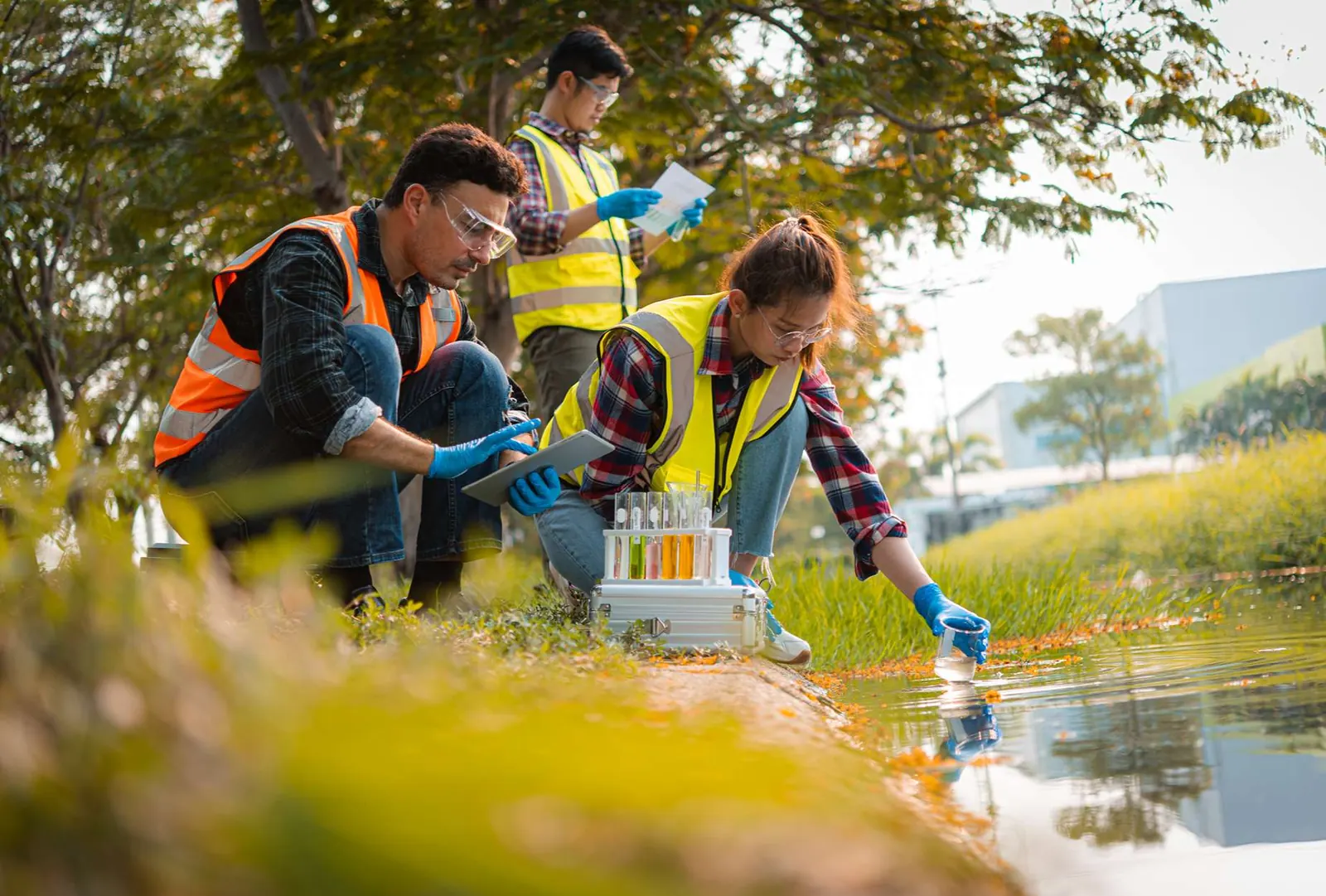
Scientists collecting water samples
Where to start

Your town already tests its water

Massachusetts public water systems are sampled by certified professionals on a set schedule, and the results are published every year in a Consumer Confidence Report. We use that data to recommend a system, so there's no in-home test, and it's free.

Problems you can see, taste or smell

Federal maximum: 4 mg/L

Chlorine & Chloramine

Utilities add chlorine or chloramine to disinfect water on its way to your tap.

  • A pool-like taste or smell
  • Can dry skin and fade fabrics
  • Chloramine needs catalytic carbon to remove, and must be removed for fish tanks and home dialysis
Compounds: Geosmin / MIB

Earthy or Musty Taste

Harmless and unregulated, but noticeable at just a few parts per trillion.

  • Usually worst in late summer and fall
  • Comes from natural compounds in source water
Problems start around: 120 mg/L (7 gpg)

Hard Water

Hardness isn't a health issue, but scale shortens the life of your appliances.

  • Scale on fixtures and in appliances
  • Spotty dishes
  • Poor soap lather
Iron, federal aesthetic guideline: 0.3 mg/L

Discolored Water

Rust-colored water usually comes from hydrant flushing or main breaks stirring up deposits.

  • Recurring discoloration may point to corroding pipes
  • During an episode, run cold water until it clears and hold off on laundry
Massachusetts health guideline: 0.3 mg/L

Manganese

Manganese causes black or brown stains, starting at levels near 0.05 mg/L.

  • Infants are the most sensitive
  • MassDEP sets a lower short-term advisory for infants
Federal turbidity maximum: 1 NTU

Silt & Sediment

Sand and grit get in through main breaks, construction, flushing and aging pipes.

  • Wears out fixtures and appliances
  • Clogs aerators and valves
Source: Airborne, not your water supply

Pink Slime Bacteria

Serratia marcescens feeds on soap scum and thrives in damp, warm spots.

  • Mostly a nuisance, but can infect people with weakened immune systems
  • Whole-house carbon filters can let more of it grow

Problems you can't see

Federal limits: 80 / 60 ppb

Disinfection Byproducts (THMs & HAAs)

These form when chlorine reacts with natural matter in the water.

  • Higher in summer and farther from the treatment plant
  • THMs can be inhaled in hot showers
Federal limit: 4 ppt each for PFOA & PFOS

PFAS

"Forever chemicals" with no taste or smell, linked to several health effects.

  • EPA has proposed until 2031 for compliance
  • Massachusetts sets a 20 ppt combined limit for six PFAS
Limit: None yet

Microplastics

Not regulated federally or in Massachusetts, so treatment is precautionary.

  • Tiny plastic particles from many sources
Safe level of lead: None

Lead & Copper

Lead gets in through service lines, solder and fixtures. Homes built before the 1986 ban are at higher risk.

  • A 2024 federal rule lowers the lead action level from 15 to 10 ppb
  • Most lead service lines must be replaced over the next decade
  • Until then, run cold taps before drinking and never use hot tap water for cooking or formula
Massachusetts guideline: 20 mg/L

Sodium

Road salt and some treatment chemicals add sodium to drinking water.

  • Matters most for people on low-sodium diets
  • Salt-based softeners add sodium, so potassium or salt-free options are worth considering
E. coli standard: Zero

Main Breaks & Boil-Water Notices

Breaks and pressure drops can let outside water into the system. Utilities test monthly for coliform and E. coli.

  • Always follow boil-water instructions, even with home treatment
Sources
  • MassDEP: Standards & Guidelines for Contaminants in Massachusetts Drinking Water
  • MWRA: Water treatment
  • EPA: Lead and Copper Rule Improvements (summary)
  • U.S. EPA: Overview of proposed PFAS drinking water rules (2026)
Water treatment systems

Compare our systems

Every system is configured from your town data or well test results.

Find out what's really in your water

Honest answers based on data, from a team that services what it installs.

Call Talk to an Expert